Crumbling mortar joints let moisture into your walls with every Florida downpour. We grind out the old material and pack in new mortar matched to your brick - done right the first time.
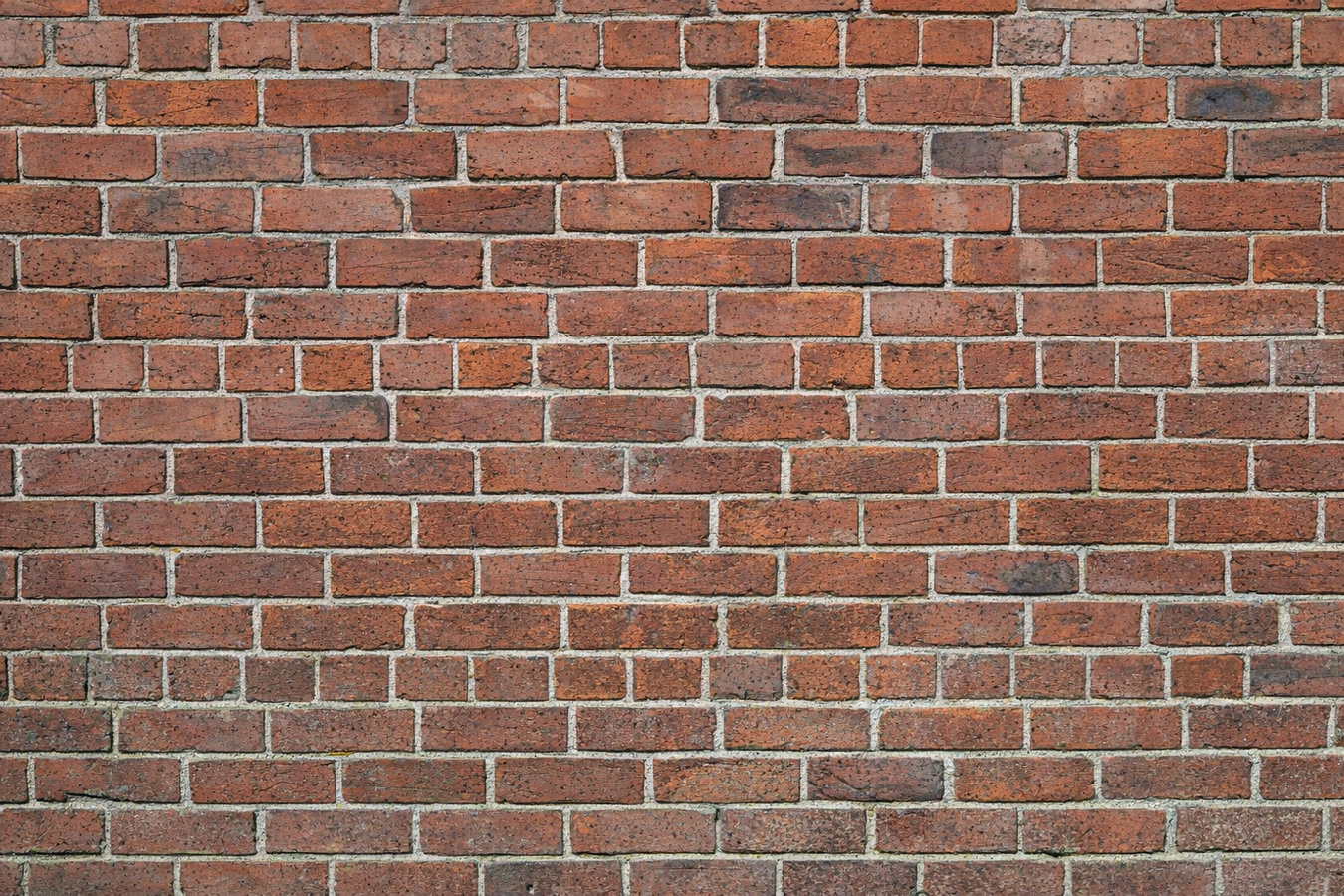
Tuckpointing in Melbourne, FL means removing deteriorated mortar from masonry joints and replacing it with fresh material bonded tightly to the surrounding brick, and most residential jobs on a single home take one to three days from start to finish.
The mortar between your bricks is designed to be the weaker material on purpose - it absorbs stress and moisture so the bricks themselves do not crack. In Melbourne, where average humidity stays above 70 percent for most of the year and summer temperatures regularly push past 90 degrees, that mortar breaks down faster than in drier climates. Mortar that might last 30 years elsewhere may need attention in 15 to 20 years here.
When mortar joints fail and water gets behind the brick, the damage can spread quickly through wall cavities. Catching deteriorating joints early means a straightforward repair. Waiting until bricks are shifting or spalling - chipping and flaking - means a much larger project, often requiring full brick repair alongside the mortar work.
If the lines between your bricks look hollow, sandy, or like they are pulling away from the brick face, the mortar has broken down enough to let water in. In Melbourne's rainy season - which delivers some of the highest annual rainfall totals in the continental U.S. - those gaps become entry points for water with every afternoon thunderstorm.
Those chalky deposits are called efflorescence, and they appear when water moves through masonry and carries dissolved salts to the surface. Seeing them on your Melbourne home's brick or block walls is a reliable sign that moisture is already getting in - often through failing mortar joints. It is not just cosmetic; it means water is actively moving through your wall.
Chimneys take more weather exposure than any other masonry on your home - they sit above the roofline with no shelter from rain, sun, or salt air. If the mortar around your chimney looks softer or more recessed than the mortar on your walls, the chimney is usually the first place that needs attention, especially in Melbourne homes built before 1985.
Melbourne averages around 53 inches of rain per year, and summer storms can deliver several inches in a single afternoon. If you have noticed water stains on interior walls near a brick fireplace or dampness in a room sharing a wall with exterior brick, failing mortar joints are one of the most common causes. Do not assume it is a roof problem until the masonry has been checked.
We handle tuckpointing on the full range of residential masonry in Melbourne - exterior brick walls, block walls, chimney shafts, decorative brick accents, and retaining walls. Every job starts with grinding or chiseling out the old mortar to a consistent depth before packing in fresh material and tooling the joints to a clean finish. We match mortar color as closely as possible to the existing brick, and we choose a mix formulated for Florida's coastal humidity rather than a standard one-size-fits-all product.
For chimneys with more than mortar wear - cap damage, flashing failure, or spalling bricks at the crown - we coordinate those repairs as part of the same project so you are not scheduling two separate visits. And if you have been putting off joint repair alongside unrelated mortar finishing work on accent walls or pavers, our brick pointing service handles the detailed finish work that tuckpointing does not always cover.
Suited to chimneys showing recessed or crumbling mortar above the roofline, where exposure to sun, rain, and salt air is highest.
For full-wall or section-by-section repair of Melbourne homes where years of humidity and rain have degraded the mortar across a broad surface.
Designed for concrete block construction - common in Melbourne's 1960s through 1980s housing stock - where the mortar in wide joints has dried out or cracked.
Best for localized damage on otherwise sound walls, where only a section or a specific area around a window or door needs attention.
Melbourne sits in Brevard County on Florida's Space Coast, where average humidity stays above 70 percent for most of the year. That combination of heat and moisture is genuinely hard on mortar joints - it speeds up the natural expansion and contraction cycle that causes cracking, and it keeps masonry surfaces damp in ways that encourage deterioration. On top of that, Melbourne is roughly five miles from the Atlantic coast, and salt-laden air travels inland and settles on masonry surfaces year-round. Salt works its way into tiny cracks and expands as it crystallizes, widening those gaps over time. Homeowners in Melbourne often find their mortar needs attention sooner than national guides suggest.
A significant share of Melbourne's housing stock was built between the 1950s and 1990s - homes in older neighborhoods like Eau Gallie and areas near downtown often have brick chimneys and block construction that is now old enough for mortar to be at or past the end of its useful life. If you have never had tuckpointing done on a home from that era, chances are the joints are ready. Residents of West Melbourne with newer construction from the 1980s and 1990s are often surprised to find their mortar in the same condition - Florida's climate compresses the timeline compared to drier parts of the country.
Tell us what you have seen - gaps in the joints, white staining, a chimney that looks rough. We respond within one business day and schedule a site visit at a time that works for you.
We walk the masonry with you, probe the joints to test how deeply the mortar has deteriorated, and check whether any bricks have been damaged. You get a written estimate breaking down scope, materials, and total cost - no verbal quotes, no guessing.
The crew grinds or chisels out old mortar to a consistent depth, then packs in fresh material and tools the joints to a clean finish. Most single-home jobs take one to three days. Dust and noise are normal - we cover nearby surfaces before grinding begins.
Fresh mortar needs 24 to 48 hours before it should get wet, and up to 28 days to reach full strength. Before the crew leaves, walk the finished work with us and look at the joints up close. If something does not look right, say so before we pack up.
Written estimate, no obligation. We respond within one business day.
(321) 655-0856We select a mortar mix that is formulated for coastal humidity and heat - not a standard mix from a catalog. A repair done with the wrong mortar can fail in a season or two here. The right mix lasts 20 to 30 years.
Florida requires masonry contractors to hold a state license you can verify on the Department of Business and Professional Regulation website. We will give you our license number before you sign anything. Verify any contractor at myfloridalicense.com.
We know that Melbourne homeowners are on a real deadline every spring. We schedule tuckpointing projects to be fully cured well before Atlantic hurricane season starts in June, so your joints are sealed and solid when the first storms arrive.
Many Melbourne neighborhoods have active HOAs that notice exterior work. We take color matching seriously and tool joints to a consistent profile so the repair blends in from the street - not just from three feet away.
When you combine the right mortar mix with a properly prepared joint and a contractor who understands what Florida's coastal climate does to masonry, the result is a repair that actually lasts. That is what we aim for on every Melbourne tuckpointing project.
Cracked, spalling, or missing bricks replaced and matched to your existing wall so the repair blends in from the street.
Learn MoreDetailed joint finishing and repointing for decorative brickwork, accent walls, and areas where appearance is as important as performance.
Learn MoreMelbourne contractors book up fast once storm season approaches - reach out now and protect your home before the summer rush.