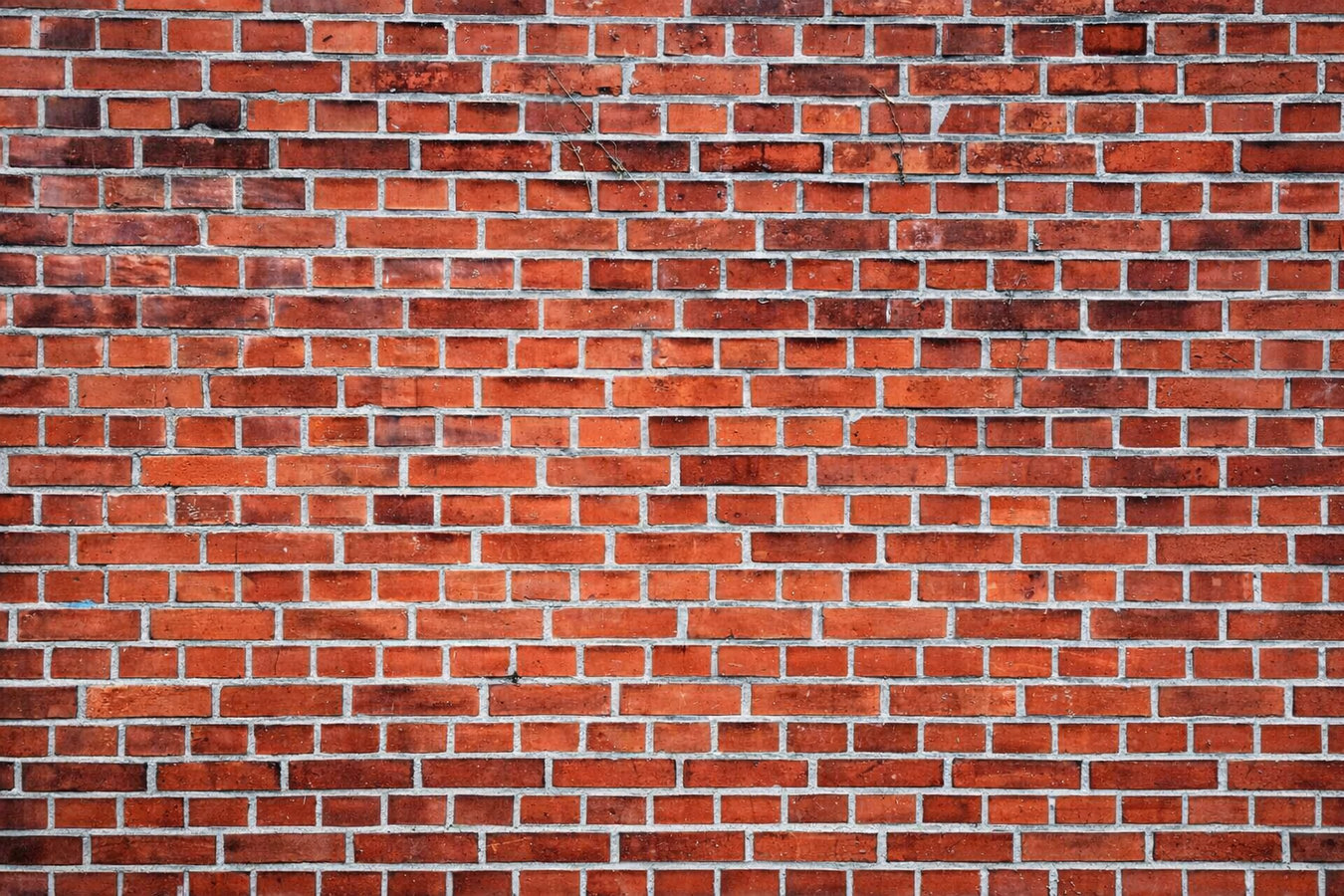
Melbourne's salt air and summer rains eat through mortar joints faster than most places. We remove the old material, pack in fresh mortar matched to your brick, and seal the gaps before water finds its way into your wall.
Brick pointing in Melbourne, FL is the process of removing deteriorated mortar from the joints between bricks and repacking those joints with fresh mortar - closing the gaps that let water into your wall, with most residential jobs completed in one to two days on site.
The mortar joints are the weak point in any brick structure. Bricks themselves can last a century; the mortar between them is designed to be softer and more sacrificial, absorbing the stress of thermal expansion so the bricks do not crack. In Melbourne's climate - salt air from the Atlantic, summer temperatures above 90 degrees, and rain that averages 55 inches a year - that mortar wears faster than in most parts of the country. Once it starts crumbling or pulling away from the brick face, water finds a path into the wall cavity. If the affected structure also needs structural attention, you may want to combine this work with a masonry restoration assessment to address any deeper damage at the same time.
For small cosmetic sections, no permit is typically required. Structural or chimney work in Brevard County often does require one, and we handle that application on your behalf before any work begins.
Run your finger along the mortar lines between your bricks. If the material feels soft, sandy, or crumbles away easily, it has lost its bond. Gaps wider than a credit card are a clear sign that water is already getting in - and in Melbourne's rainy season, that is a problem that gets worse fast.
Those chalky white streaks are called efflorescence, and they happen when water moves through the wall and carries dissolved salts to the surface. In Melbourne's humid, salt-air environment, this is a common early warning sign that moisture is penetrating through failing mortar joints. It does not mean your wall is about to fall down, but it does mean water is getting somewhere it should not be.
Chimneys take more weather exposure than any other part of a home, and in Melbourne's combination of intense sun, heat, and seasonal rain, chimney mortar tends to fail before wall mortar does. If the lines between the bricks on your chimney look recessed, uneven, or a different color than the brick itself, it is worth having a mason take a look before the next rainy season.
When mortar fails and water gets behind the brick, the brick face itself can start to break apart - especially after repeated wet-dry cycles in Florida's climate. If you notice small chips or flaking on the brick surface - not just the mortar lines - the damage has already progressed beyond the joints. The sooner you address the mortar, the less likely you are to need full brick replacement.
We repoint brick chimneys, garden walls, retaining walls, exterior brick facing, and decorative brick structures throughout Brevard County. Every job starts with a close look at the existing mortar - checking how deep the damage goes, whether any bricks are loose or spalled, and whether the original mortar color and texture can be matched. We do not skip that step. Using the wrong mortar strength is one of the most common ways a repointing job causes long-term damage: a mix that is too hard traps moisture and forces it out through the brick face, cracking the brick from the inside over time. We select the right mix for your wall type and the Florida climate, then tool each joint to match the original profile so the finished work blends in.
Brick pointing is also one of the best preventive measures for foundation repair down the line. When mortar joints on walls near a foundation are left open, water migrates along the structure and accelerates soil erosion and cracking at the base. Catching the mortar first is almost always less expensive than addressing what follows. For homeowners with older chimneys or block walls that have not been serviced in decades, we often recommend combining a repointing inspection with a broader review of the structure's condition.
Chimneys take the worst of Melbourne's sun and rain exposure - we repoint and seal joints to stop water from working into the flue or the home's structure.
For homeowners with brick garden walls or decorative boundary walls showing wear - we restore the joints and match the mortar to the original as closely as possible.
Brick-faced home exteriors and columns in Melbourne's older neighborhoods often need joint repair before the next storm season. We handle sections or full facades.
Concrete block walls with failing mortar joints are common throughout Brevard County's CBS-construction homes. We repoint and stabilize before the damage spreads.
Melbourne sits about five miles from the Atlantic, and the combination of salt-laden air, high year-round humidity, and intense summer heat creates conditions that are genuinely harder on mortar than most of the country. Salt particles work into microscopic cracks in the joints and expand as they dry, widening those cracks over time. Heat causes the wall to expand and contract daily, adding more stress to mortar that is already losing its flexibility. The result is that homes here often need repointing every 15 to 20 years rather than the 25 to 50 years general guides suggest. If your brick chimney, garden wall, or brick-faced exterior is original to a home built in the 1970s, 1980s, or early 1990s, the mortar is likely at or past the end of its useful life - whether it looks it or not.
Melbourne's older neighborhoods - particularly in the Eau Gallie area and in established subdivisions close to the Indian River - have a significant share of brick-accented homes from the mid-20th century where original mortar has never been touched. We regularly work with homeowners in Cocoa on older CBS and brick homes where mortar wear has gone unaddressed for years, and in Satellite Beach where salt air accelerates the timeline on every exterior surface. In both communities, catching joint failure early saves homeowners from much larger repairs later.
Tell us what type of structure needs work and roughly how large the affected area is. We respond within one business day and schedule a free on-site estimate - because it is very hard to give an accurate price without seeing the wall in person.
We walk the area with you and look closely at the mortar joints, checking how deep the damage goes and whether any bricks are loose or damaged. You get a written estimate broken out by scope - no single mystery number.
We confirm whether your project requires a Brevard County permit and handle the application if it does. Once that is sorted, you get a start date. Structural or chimney work may add a few days to the timeline for permit processing.
The crew grinds out old mortar, packs fresh mortar into each joint by hand, and tools the surface to match the original profile. After cleanup and a walkthrough with you, the mortar needs 24 to 48 hours without getting wet to cure properly.
Free written estimate, no obligation. We respond within one business day.
(321) 655-0856Using the wrong mortar strength - too hard for the existing brick - is one of the most common ways a repointing job causes long-term damage. We assess the existing material first, then select a mix suited to both your specific wall and Melbourne's coastal conditions. That is a decision that directly affects how long the repair holds.
Mismatched mortar color is one of the most common complaints homeowners have after a repointing job. We take the time to match color and texture to what is already there, so the finished joints blend in rather than standing out. In Melbourne's older neighborhoods and in communities where HOAs pay attention to exterior appearance, that detail matters.
For structural and chimney work in Brevard County, we pull the required permits and coordinate inspections. That documentation protects you when you sell your home or make an insurance claim - and you should never have to navigate the permit office on your own.
Florida requires masonry contractors to hold a state license through the Department of Business and Professional Regulation. You can look up any contractor's license status in minutes at myfloridalicense.com. A contractor who hesitates to share their license number is a contractor to avoid.
Brick pointing is a small job that prevents large problems. We approach every repointing project as a long-term repair, not a quick patch - because in Melbourne's climate, a patch that fails in two years is not a repair.
When water has been getting through failing mortar for years, foundation damage can follow - we assess and repair both in a single visit.
Learn MoreIf your brick or block structure needs more than repointing - spalled faces, cracked sections, or structural issues - our restoration work covers the full scope.
Learn MoreDry-season slots fill up fast - call now or submit a request online before summer rain makes scheduling harder.